

Popular:
How to Choose and Maintain Air Conditioning Filters for Better Home Comfort
- 24 views
- Christopher Pierce
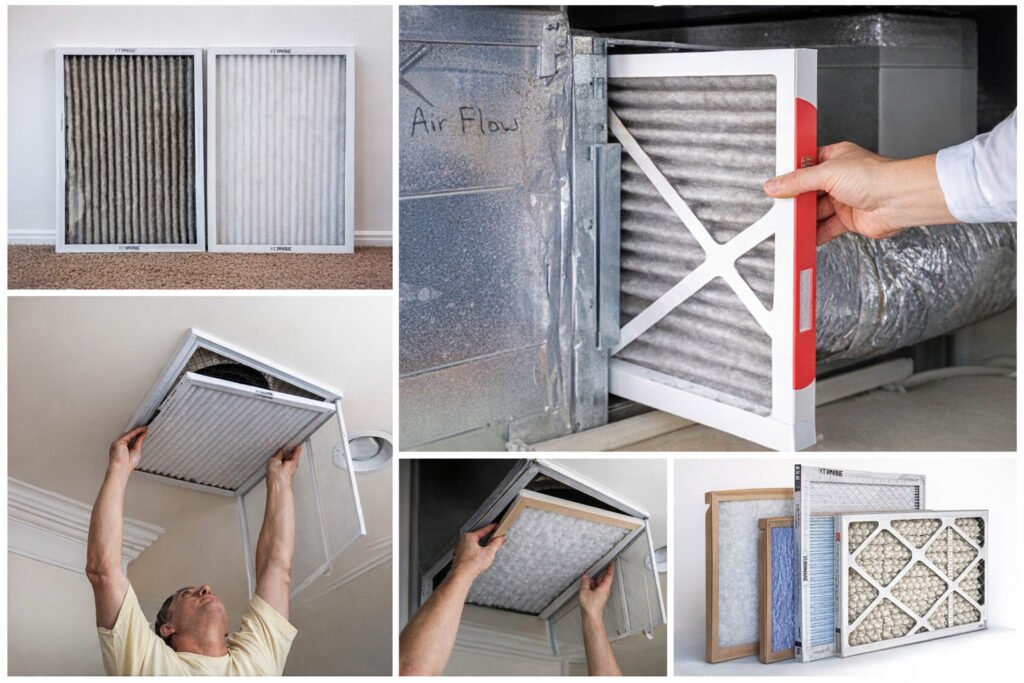
Table of Contents
Your home’s air conditioning system works hard to keep you comfortable, but did you know that air conditioning filters are the unsung heroes of this process? These simple components play a huge role in your indoor air quality, energy costs, and the lifespan of your HVAC system. Whether you have a Goodman unit or another brand, understanding how to choose and maintain the right filter can save you hundreds of dollars while keeping your family breathing clean air.
Why Air Conditioning Filters Matter More Than You Think
Air conditioning filters do much more than just catch dust. They protect your entire HVAC system from damage while improving the air you breathe every day. When air flows through your system, the filter captures particles like pollen, pet dander, dust mites, and even bacteria before they can circulate throughout your home.
Health Benefits
Clean air conditioning filters remove up to 99% of airborne particles, depending on the filter type you choose. This means fewer allergy symptoms, less asthma triggers, and better overall respiratory health for your family. People with sensitive immune systems or chronic conditions often notice significant improvements when they upgrade to higher-quality filters.
Energy Savings
A clean filter allows air to flow freely through your system, which means your AC doesn’t have to work as hard to cool your home. This translates to lower energy bills – sometimes up to 15% savings on your monthly costs. Dirty filters force your system to run longer and use more electricity to achieve the same temperature.
Equipment Protection
Your air conditioning system contains expensive components that can be damaged by dust and debris. Clean filters act as a barrier, preventing particles from reaching sensitive parts like the evaporator coil and blower motor. Regular filter changes can extend your system’s lifespan by several years.
Types of Air Conditioning Filters
Not all air conditioning filters are created equal. Understanding the different types helps you choose the best option for your home and budget.
Fiberglass Filters
These basic filters cost the least but offer minimal filtration. They’re designed primarily to protect your equipment rather than improve air quality. Fiberglass filters typically last 30 days and work well in homes without pets or allergy sufferers.
Pros:
* Very affordable
* Allow maximum airflow
* Readily available
Cons:
* Poor air quality improvement
* Need frequent replacement
* Don’t capture small particles
Pleated Filters
Pleated air conditioning filters offer a good balance between cost and performance. The folded design creates more surface area for catching particles while maintaining decent airflow. These filters usually last 90 days in normal conditions.
Pros:
* Better filtration than fiberglass
* Moderate cost
* Available in various MERV ratings
Cons:
* More expensive than basic options
* Can restrict airflow if not changed regularly
* May not capture the smallest particles
HEPA Filters
High-Efficiency Particulate Air (HEPA) filters provide the best air quality improvement by capturing 99.97% of particles 0.3 microns or larger. However, standard residential systems often can’t handle the airflow restriction these filters create.
Pros:
* Excellent air quality
* Removes nearly all particles
* Great for severe allergies
Cons:
* Very expensive
* May damage some systems
* Requires professional assessment
Electrostatic Filters
These reusable air conditioning filters use static electricity to attract particles. You can wash and reuse them for several years, making them cost-effective long-term options.
Pros:
* Environmentally friendly
* Long-term cost savings
* No ongoing purchases needed
Cons:
* High upfront cost
* Requires regular cleaning
* Effectiveness decreases over time
MERV Ratings Explained
The Minimum Efficiency Reporting Value (MERV) tells you how well an air conditioning filter captures particles. Understanding these ratings helps you choose the right filter for your needs.
MERV 1-4: Basic Protection
These filters catch large particles like dust and lint but don’t improve air quality much. They’re suitable for basic equipment protection in commercial settings.
MERV 5-8: Good for Most Homes
This range captures dust, pollen, and pet dander effectively while maintaining good airflow. Most residential systems work well with these filters.
MERV 9-12: Superior Filtration
These air conditioning filters remove smaller particles including mold spores and some bacteria. They’re ideal for homes with allergy sufferers but may require more frequent changes.
MERV 13-16: Hospital-Grade
These filters capture very small particles including smoke and viruses. Most residential systems can’t handle this level of filtration without modifications.
When to Replace Your Air Conditioning Filter
Timing your filter changes correctly keeps your system running efficiently and your air clean. Several factors affect how often you need new air conditioning filters.
Standard Replacement Schedule
Fiberglass filters: Every 30 days
Pleated filters: Every 60-90 days
High-efficiency filters: Every 90-120 days
Electrostatic filters: Clean every 30-60 days
Factors That Require More Frequent Changes
Pet Ownership: Homes with pets need filter changes every 60 days or less due to hair and dander accumulation.
Allergy Sufferers: People with allergies benefit from monthly filter changes regardless of filter type.
High Usage: If you run your AC constantly, filters get dirty faster and need more frequent replacement.
Construction or Renovation:
Dust from projects clogs filters quickly, sometimes requiring weekly changes.
Smoking: Tobacco smoke particles fill filters faster than normal household dust.
Seasonal Considerations
Summer months typically require more frequent air conditioning filter changes due to increased system runtime. Spring can also demand extra attention due to high pollen counts in many areas.
How to Install Air Conditioning Filters
Replacing air conditioning filters is one of the easiest home maintenance tasks you can do yourself. The process takes less than five minutes and requires no tools.
Step-by-Step Installation
1. Turn off your system: Switch off the AC at the thermostat to prevent the system from running during the change.
2. Locate the filter: Most filters are found in the return air duct or near the air handler unit.
3. Remove the old filter: Note which direction the airflow arrows point before removing the old filter.
4. Check the size: Verify the new filter matches the dimensions of the old one.
5. Install the new filter: Insert the new filter with arrows pointing in the same direction as the old one (toward the air handler).
6. Secure the filter: Make sure the filter fits snugly with no gaps around the edges.
7. Turn the system back on: Restore power to your AC system.
Common Installation Mistakes
Wrong Direction: Installing the filter backwards reduces efficiency and can damage your system. Always follow the airflow arrows.
Poor Fit: Gaps around the filter let unfiltered air bypass the filter entirely. Make sure you have the correct size.
Forgetting to Remove Packaging: Some filters come with plastic wrapping that must be removed before installation.
Signs Your Filter Needs Immediate Attention
Don’t wait for your scheduled replacement date if you notice these warning signs that your air conditioning filters need immediate attention.
Visual Inspection Signs
Gray or black appearance: Clean filters are white or light-colored
Visible dirt buildup: Dust coating the entire surface
Bent or damaged frame: Structural damage prevents proper sealing
Holes or tears: Damaged filters let particles through
Performance Indicators
Reduced Airflow: Weak air coming from vents often indicates a clogged filter.
Longer Cooling Cycles: If your AC runs longer to reach the set temperature, check the filter first.
Higher Energy Bills: Sudden increases in electricity costs may point to filter problems.
More Dust in Your Home: If surfaces get dusty faster than usual, your filter might not be working properly.
System Warning Signs
Frozen Coils: Ice on your indoor unit often results from poor airflow due to dirty filters.
Strange Noises: Unusual sounds from your system can indicate strain from restricted airflow.
Frequent Cycling: If your AC turns on and off repeatedly, a dirty filter might be the cause.
Cost Comparison and Where to Buy
Understanding the true cost of air conditioning filters means looking beyond the initial purchase price to consider replacement frequency and performance benefits.
Price Ranges by Filter Type
Fiberglass Filters: $1-3 each
* Lowest upfront cost
* Monthly replacement adds up
* Annual cost: $12-36
Pleated Filters: $5-15 each
* Moderate upfront cost
* Quarterly replacement
* Annual cost: $20-60
High-Efficiency Filters: $15-30 each
* Higher upfront cost
* Less frequent replacement
* Annual cost: $45-120
Electrostatic Filters: $50-100 each
* High upfront cost
* Reusable for years
* Annual cost after first year: $0-10
Best Places to Shop
Online Retailers: Often offer the best prices and subscription services for automatic delivery.
Home Improvement Stores: Convenient for immediate needs but prices may be higher.
HVAC Supply Companies: Professional-grade options with expert advice.
Warehouse Clubs: Bulk purchasing can reduce per-unit costs significantly.
Money-Saving Tips
* Buy filters in bulk during sales
* Set up automatic delivery subscriptions for discounts
* Compare generic brands to name brands
* Consider the total annual cost, not just per-filter price
Maintenance Tips for Maximum Efficiency
Getting the most from your air conditioning filters requires more than just regular replacement. These maintenance tips help you maximize both air quality and energy savings.
Monthly Checks
Even if your filter doesn’t need replacement, check it monthly for damage or excessive dirt buildup. This habit helps you catch problems early and adjust your replacement schedule based on actual conditions rather than estimates.
Proper Storage
Store spare air conditioning filters in a clean, dry place away from chemicals and strong odors. Basements and garages can introduce moisture or contaminants that reduce filter effectiveness.
System Maintenance
Keep the area around your air handler clean and unobstructed. Vacuum the filter compartment when you change filters to remove loose debris that might get pulled into your system.
Airflow Optimization
Ensure all vents in your home are open and unblocked by furniture or curtains. Proper airflow reduces strain on your system and helps filters work more effectively.
Professional Inspections
Have your HVAC system inspected annually by a professional. They can recommend the best filter type for your specific system and usage patterns while checking for issues that might affect filter performance.
Choosing the Right Filter for Your Situation
Your ideal air conditioning filter depends on several personal factors that go beyond just system compatibility.
For Allergy Sufferers
Choose MERV 11-13 filters and replace them monthly during peak allergy seasons. Consider investing in a higher-capacity system that can handle more restrictive filters without performance loss.
For Pet Owners
Pleated filters with MERV 8-11 ratings work well for capturing pet hair and dander. Change filters every 60 days or when they appear dirty, whichever comes first.
For Budget-Conscious Homeowners
Pleated MERV 8 filters offer the best balance of performance and cost for most homes. Buying in bulk and changing every 90 days provides good air quality without breaking the budget.
For Maximum Air Quality
If air quality is your top priority and budget isn’t a concern, consider upgrading your system to handle MERV 13+ filters or adding a separate air purification system alongside standard filtration.
Air conditioning filters play a vital role in your home’s comfort, air quality, and energy efficiency. Whether you have a Goodman system or another brand, choosing the right filter type and maintaining a regular replacement schedule protects your investment while keeping your family healthy. Remember that the cheapest filter isn’t always the most economical choice when you factor in energy costs and system longevity. Take a moment today to check your current filter and mark your calendar for the next replacement – your lungs and your wallet will thank you.
Ready to improve your home’s air quality? Check your air conditioning filter right now and share your experience in the comments below. What type of filter works best in your home?